


Outdoor lighting is one of the best ways to bring out the beauty of a yard while also making it safer at night. Whether you are lighting a pathway, accenting a retaining wall, or creating a welcoming glow around your patio, the system depends on underground wiring. A common question homeowners ask is how deep that wiring needs to be buried. The answer depends on the type of wire, the layout of your yard, and how it interacts with other buried systems like drainage lines. Getting it right is about more than following code. It ensures your lighting lasts, performs safely, and avoids costly repairs down the road.
Why Depth Makes a Difference
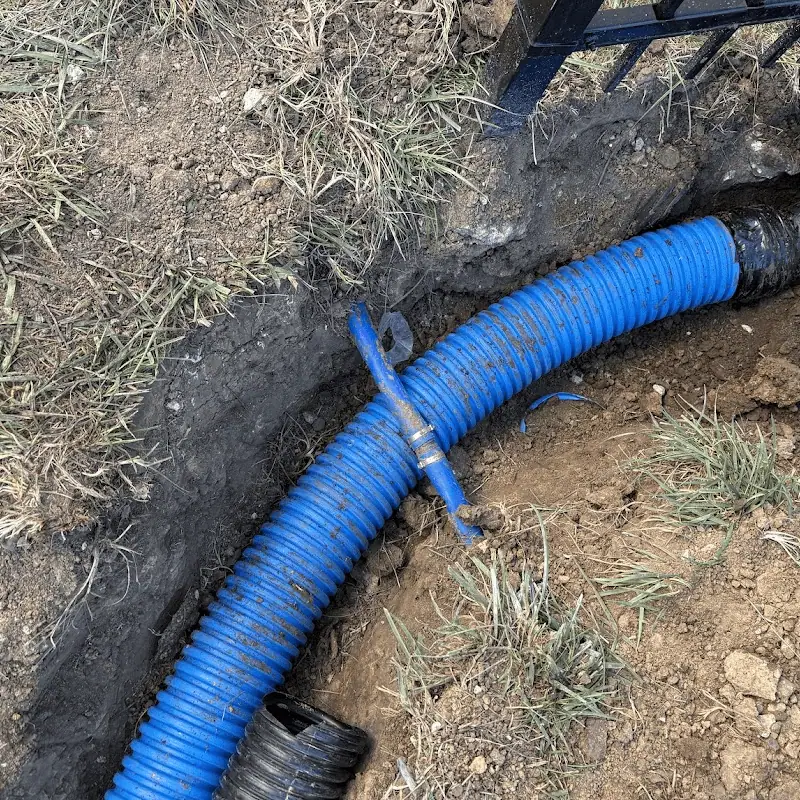
The depth at which landscape wiring is buried might not seem like a big detail, but it has major consequences. Wiring that sits too close to the surface is vulnerable to lawnmowers, aerators, and even foot traffic. Shallow wires also become an issue when homeowners tackle projects like installing new garden beds or edging, since the first shovel into the soil can cut right through. On the other hand, wires placed far deeper than necessary are more likely to be struck during major work like drainage trenching, tree planting, or utility upgrades.
There is also the matter of safety. Electrical codes exist to reduce the risk of fire, shock, or system failure, and burial depth is part of that equation. Proper depth protects against accidental damage, keeps wiring insulated from temperature changes, and creates a reliable setup that can be trusted for years.
Standard Guidelines for Burial
Most homeowners dealing with outdoor lighting are working with low voltage wire. This type of wire is usually buried at a depth of about six inches, which provides enough protection from the surface while keeping it easy to access if repairs are needed. In some decorative areas where wire is under mulch or stone and shielded from equipment, a depth as shallow as three inches can be acceptable, but only in low risk settings.
When higher voltage wiring is involved, such as UF direct burial cable, the requirements change. These wires should be placed at least two feet underground to meet safety codes. If the wire is inside protective conduit, that depth can sometimes be reduced to about eighteen inches. The goal is always the same: to keep the wire safe from disturbances while following code for your area.
Conditions That Change the Rules

Soil type is one of the most overlooked factors in determining burial depth. In the Kansas City region, clay-heavy soils expand and contract with moisture, which can put stress on wiring. That is one reason why careful trenching and proper backfilling matter. The presence of water also plays a role. If your yard tends to collect water or already has drainage systems installed, wiring needs to be placed with extra care.
The future of the landscape is another consideration. If you plan to plant trees, add raised beds, or build hardscapes, then the location and depth of wiring should leave enough buffer to avoid interference later. Areas with heavy use, such as driveways and walkways, also require deeper burial or conduit for protection. Every yard is different, which is why following a one-size-fits-all rule often leads to mistakes.
Mistakes We See in the Field
Many homeowners attempt their own installations and end up making costly errors. The most common mistake is not digging deep enough, leaving wire just beneath the surface. That wire is practically guaranteed to be hit by garden tools or damaged by routine yard work. Another issue arises when wire is laid across drainage lines or irrigation systems without conduit. The first time someone needs to repair or replace those systems, the wiring gets cut.
Moisture is also a big enemy of outdoor wiring. We often see splices wrapped in electrical tape instead of waterproof connectors, which quickly deteriorates once exposed to damp soil. And finally, very few homeowners take the time to mark where the wires are buried. Without a record, future projects become a guessing game.
Want to hear about other mistakes we see in the field? Check out this article about the top French Drain mistakes!
The Overlap With Drainage

At High Flow Drainage Solutions, we deal with buried wires more often than you might think. Anytime we install French drains, downspout extensions, or sump pump lines, there is a good chance of running into lighting wires. Sometimes those wires are buried properly and we can easily work around them. Other times they are sitting only a couple of inches below the soil or even running across trenches.
Owner Caleb Isgriggs puts it this way:
“Anytime we dig to install drainage systems, we’re on the lookout for buried wires. We’ve repaired more than a few for homeowners who didn’t expect them to be right where we were trenching. That’s why proper depth and careful planning are so important.”
The overlap between lighting and drainage means both systems need to be considered together. Installing one without accounting for the other almost always leads to a repair later.
A Step by Step Approach
The actual process of burying landscape wire does not have to be overly complicated, but it should be done with patience. The first step is always planning. Map out the route for the wire and avoid obstacles like tree roots and existing utility lines. This step saves the most frustration later. Once the path is decided, the trench should be dug to the required depth, which for most low voltage lighting is six inches. For higher voltage systems, following code depth is critical.
Laying the wire should be done loosely rather than stretched tight. Soil shifts over time, and wires need the flexibility to expand and contract. Backfilling should also be done carefully, with a layer of soil tamped down before filling the trench completely. Sharp rocks should be kept out of the backfill because they can puncture the insulation. Finally, it is always worth marking the location of the buried wire, either with small flags, staples, or even a sketch of your property. A simple record now can prevent a headache years later.
Safety Above All – Call 811
Working with electricity outdoors comes with risks. Calling 811 before digging is a must, since professional utility locators can identify gas, water, and main electrical lines. For the wiring itself, any outlet used to power the system should be protected by a GFCI outlet, which shuts off power instantly if a fault is detected. All connections should be waterproof, using gel-filled connectors or sealed junction boxes designed for underground use.
For high voltage wiring, hiring a licensed electrician is not only recommended but often legally required. These professionals know the National Electrical Code requirements and can install systems that pass inspection and remain safe for the long haul.
Why Coordination Matters
One of the biggest lessons we emphasize at High Flow is the need for coordination. Drainage contractors are often digging in the same areas where landscape wires are buried. If those wires are installed at the right depth, clearly marked, and placed in conduit when needed, our crews can work around them with no issue. But when wires are shallow, poorly insulated, or laid across drainage lines, damage is almost unavoidable.
That is why we stress the importance of communication between homeowners, electricians, landscapers, and drainage specialists. Thinking through the whole system at once is the best way to avoid paying twice for the same work.